Best PV System in China for Global Buyers 2026?
In recent years, the importance of renewable energy has surged globally. Among various sources, photovoltaic (PV) systems have become a favored choice. China stands at the forefront of PV system manufacturing, offering innovative technologies and robust solutions. As global demand increases, buyers seek reliable systems that meet their energy needs.
China's PV systems are renowned for their quality and efficiency. They cater to diverse markets, providing options for residential and commercial applications. Buyers can find various products ranging from solar panels to complete systems that optimize energy output. However, navigating this competitive landscape can be challenging.
Many buyers wonder: which PV system truly stands out in 2026? A thorough analysis of market trends reveals that not all products are created equal. Some may lack performance data or long-term warranties. Noticing these details is crucial for making informed decisions. Ultimately, a well-researched choice can lead to significant savings and sustainable energy.

Overview of the Solar PV Market in China for Global Buyers
The solar photovoltaic (PV) market in China is pivotal for global buyers. In 2023, China accounted for approximately 50% of global solar installations, reflecting its dominance. Industry reports indicate that China installed over 55 gigawatts (GW) of solar capacity in just the first half of 2023. This growth trend seems to continue, positioning the nation as a key supplier through 2026.
Chinese manufacturers are focused on improving efficiency and reducing costs. Recent data shows that the average price of solar modules has dropped by nearly 20% since last year. However, concerns about material shortages, particularly silicon, could impact production. Global buyers may face challenges in ensuring reliable supply chains amid rising demand.
Furthermore, while China leads in production, some regions still grapple with inadequate grid infrastructure. This disparity may affect the overall distribution of solar energy. Decision-makers must navigate these complexities as they plan investments. The market offers immense potential but requires a careful analysis of evolving conditions.
Overview of the Solar PV Market in China for Global Buyers 2026
Top Manufacturers and Their Innovations in China's PV Industry
China's photovoltaic (PV) industry is rapidly evolving. Many manufacturers are pushing the boundaries of technology. This growth makes China a hotspot for global buyers. The innovations span efficiency, sustainability, and production techniques. Companies are focusing on reducing costs while enhancing output.
Tips: When selecting a PV system, consider the manufacturer’s track record. Research their innovations and commitments to sustainability. A good warranty often indicates quality.
Recent trends highlight advancements in solar panel design. Manufacturers are investing in materials that improve durability and energy conversion. Smart energy management systems are also gaining traction. These systems optimize energy use and storage.
Another critical aspect is localization. Many manufacturers are moving towards localized supply chains. This reduces dependencies and enhances reliability. It also presents a challenge: maintaining product consistency across different regions.
Tips: Look for PV systems that offer transparent performance data. Systems should not only promise high efficiency but deliver it consistently. Innovation should not compromise quality; ensure thorough testing has been done.
Best PV System in China for Global Buyers 2026
| Manufacturer |
Annual Production Capacity (MW) |
Market Share (%) |
Key Innovations |
Sustainability Initiatives |
| Manufacturer A |
20,000 |
25 |
High-efficiency solar panels |
Zero waste production |
| Manufacturer B |
15,000 |
18 |
Bifacial solar technology |
Carbon neutrality by 2030 |
| Manufacturer C |
25,000 |
30 |
Smart PV monitoring |
Recycling program for old panels |
| Manufacturer D |
30,000 |
35 |
Ultra-thin solar cells |
Sustainable materials sourcing |
| Manufacturer E |
10,000 |
12 |
Innovative inverter technology |
Community solar projects |
Market Trends and Future Projections for PV Systems in China
The Chinese photovoltaic (PV) market is evolving rapidly. The country remains a global leader in solar energy production.
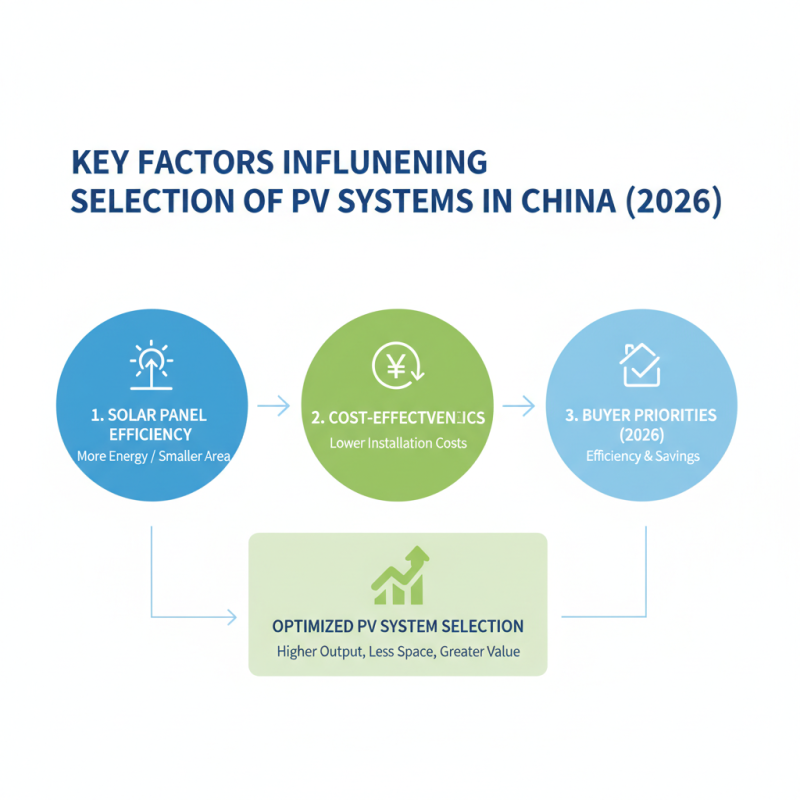
Key trends indicate a shift towards more efficient and cost-effective PV systems.
Advanced technology is enabling manufacturers to produce higher energy output at lower costs. This shift benefits global buyers looking for reliable solutions.
Recent data suggests a growing demand for sustainable energy sources.
Government policies in China support solar energy initiatives,
promoting investments in PV systems. This environment fosters innovation and encourages companies to improve their products continuously.
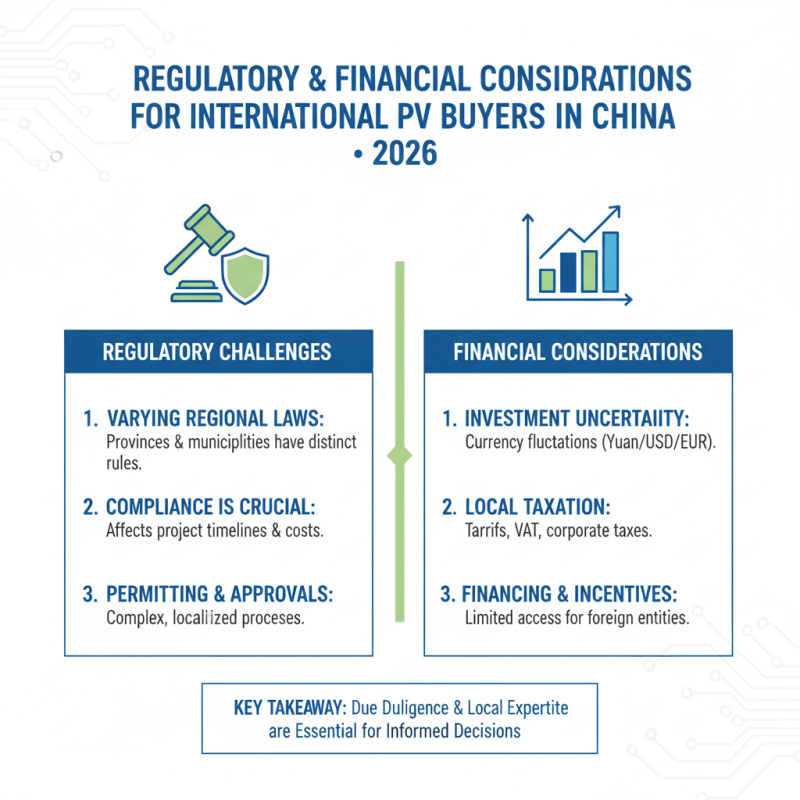
Despite the progress, challenges exist. Supply chain disruptions and raw material shortages can affect production.
Buyers should be cautious and conduct thorough research.
Long-term projections indicate a robust future for PV systems in China. Increased adoption of solar energy in residential and commercial sectors is expected.
However, the market may face volatility due to international trade policies. Buyers must stay informed about geopolitical factors that can impact prices.
Understanding these dynamics will prove crucial for making informed purchasing decisions.